I know some people on here say that their pensions aren't taxed. Does anyone have to file an Argentine tax return and one with the IRS? I'm asking because I want to know if the Foreign Tax Credit offsets the double taxation by both countries. Also, what other taxes do you pay in Argentina other than the VAT. I'm assuming the vehicle registration is taxed every year?

You are using an out of date browser. It may not display this or other websites correctly.
You should upgrade or use an alternative browser.
You should upgrade or use an alternative browser.
Does anyone have to file taxes in Argentina and with the IRS?
- Thread starter rdcooper
- Start date
The minimum threshold for income tax (known as "ganancias") is adjusted upwatds for inflation regularly. It is currently 2.4 million pesos per month (about US$1800, at today's exchange rate, which also moves around quite a lot of course) for a single person with no dependents. If your pension is less than that, the double taxation problem doesnt arise. (The amount is currently very close to the amount you have to have to qualify for tge Pensionista temporary residency.)
The problem also doesnt arise until you become an Argentine tax resident: after 12 months with temporary residency issued by the Direccion Nacional de Migraciones (although if you spent 90 days in every 12 months outside Argentina you can defer tax residency three years to the date you become a permanent resident).
The problem also doesnt arise until you become an Argentine tax resident: after 12 months with temporary residency issued by the Direccion Nacional de Migraciones (although if you spent 90 days in every 12 months outside Argentina you can defer tax residency three years to the date you become a permanent resident).
Last edited:
Thanks for the information. I have two pensions and together they exceed that amount. With the new immigration regulations, which I admit I don't quite understand them, are you still able to leave 90 days out of the year without jeopardizing renewal of the Pensionado Visa, and ultimately getting dual citizenship?The minimum threshold for income tax (known as "ganancias") is adjusted upwatds for inflation regularly. It is currently 2.4 million pesos per month (about US$1800, at today's exchange rate, which also moves around quite a lot of course) for a single person with no dependents. If your pension is less than that, the double taxation problem doesnt arise. (The amount is currently very close to the amount you have to have to qualify for tge Pensionista temporary residency.)
The problem also doesnt arise until you become an Argentine tax resident: after 12 months with temporary residency issued by the Direccion Nacional de Migraciones (although if you spent 90 days in every 12 months outside Argentina you can defer tax residency three years to the date you become a permanent resident).
To renew the Pensionista you must spend a minimum of 183 days (out of 365) in Argentina. You could leave Argentina for 90 days during the 365, still be able to renew the temporary residency at the 365-day mark and avoid becoming a tax resident and thus defer any liability to declare tax in Argentina (and actívating any offset arrangements via the IRS) until you reach permanent residency.... are you still able to leave 90 days out of the year without jeopardizing renewal of the Pensionado Visa, and ultimately getting dual citizenship?
desde_Holanda
Registered
- Joined
- Mar 13, 2021
- Messages
- 111
- Likes
- 142
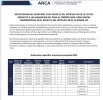
Just curious: with respect to the minimum threshold for income tax, are you referring to this?The minimum threshold for income tax (known as "ganancias") is adjusted upwatds for inflation regularly. It is currently 2.4 million pesos per month (about US$1800, at today's exchange rate, which also moves around quite a lot of course) for a single person with no dependents. If your pension is less than that, the double taxation problem doesnt arise. (The amount is currently very close to the amount you have to have to qualify for tge Pensionista temporary residency.)
The problem also doesnt arise until you become an Argentine tax resident: after 12 months with temporary residency issued by the Direccion Nacional de Migraciones (although if you spent 90 days in every 12 months outside Argentina you can defer tax residency three years to the date you become a permanent resident).

steveinbsas
Registered
- Joined
- Jul 27, 2006
- Messages
- 11,098
- Likes
- 7,490
The minimum threshold for income tax (known as "ganancias") is adjusted upwatds for inflation regularly.
The current "minimum threshold" specifically for income tax liability in Argentina can be quickly found in an online search for the "piso de ganancias."
steveinbsas
Registered
- Joined
- Jul 27, 2006
- Messages
- 11,098
- Likes
- 7,490
Also, what other taxes do you pay in Argentina other than the VAT. I'm assuming the vehicle registration is taxed every year?
Depending on how much.you are "worth" after you become a "tax resident" of Argentina your "world wide" assets could be subject to the bienes personales tax.
As I posted on Monday in the thread asking if obtaining Argentine citizenship affects US Social Security payments: (edited here for accuracy):
In 2009, when selling the apartment that I bought in 2006, I had to pay he bienes personales tax for three years (2006-2008). I had not previously made the annual declaraciones or paid the taxes. No bill is ever sent for the bienes personales tax.
I didn't even know about the tax until 2009, when the buyers escribano told me that I needed to pay the taxes due for the three years and sent me to AFIP with the accountant he worked with.
Since then I have not been subject to the bienes personales tax, even though I bought and sold a PH the following year, sold the PH a year later and bought the house I have been living in fot the past fifteen years.
Passenger cars and some trucks with over ten (perhaps fifteen) years are not subject to annual registration taxes (aka: patentes).
steveinbsas
Registered
- Joined
- Jul 27, 2006
- Messages
- 11,098
- Likes
- 7,490
Also...
Depending on the value, even non-resident owners of property in Argentina may be subject to the bienes personales tax.
If I understand correctly, a DNI is required to pay the tax, so they would have to find a resident who is willing to pay the tax for them, something that mau not be es easy as it sounds.
Depending on the value, even non-resident owners of property in Argentina may be subject to the bienes personales tax.
If I understand correctly, a DNI is required to pay the tax, so they would have to find a resident who is willing to pay the tax for them, something that mau not be es easy as it sounds.
To clarify the point you are trying to make here, you mean non-tax and non-Migraciones residents. It's true: a foreigner who is neither a tax resident nor a Migraciones resident but owns assets in Argentina (e.g., an apartment) is up for bienes personales on the value of that asset and, if they choose to comply, needs the help of a local tax payer registered with ACRA to make the payment (and assume the risk before ACRA).Also...
Depending on the value, even non-resident owners of property in Argentina may be subject to the bienes personales tax.
The tax rate is going down under the current government. While the minimum asset value threshold is also going up under this government, that new benefit only applies to tax residents. The threshold at which the tax kicks in remains quite low for non-tax residents.
steveinbsas
Registered
- Joined
- Jul 27, 2006
- Messages
- 11,098
- Likes
- 7,490
Here's an overview/explaination of personal income and property taxes provided by ARCA:
Personal Property - Earnings and Personal Property | ARCA https://share.google/3xC3WZTmfPHl0QjsL
Personal Property - Earnings and Personal Property | ARCA https://share.google/3xC3WZTmfPHl0QjsL
| Thread starter | Similar threads | Forum | Replies | Date |
|---|---|---|---|---|
| C | Does anyone here volunteer? | Expat Life | 4 | |

|
How Does Punta Del Este Compare with St Tropez, Monaco, Marbella, etc these days? | Expat Life | 21 | |

|
Correo Argentino doesn't deliver mail to the USA | Expat Life | 7 | |
| D | Does this ring true? | Expat Life | 5 | |

|
Caputo says dollar doesn’t float due to fear of "communism" | Articles | 6 |