Having owned an electric car in the USA for 8 years or so, I would say he is living in the same world we live in. Our electric car has been virtually maintenance free. They do need tires every once in while, but the list of stuff they dont have, and hence, cant break, is long- no oil, no coolant, no exhaust system, no fuel pump or tank, no transmission, no alternator, no hoses, no pumps, no cat convertor, and since you dont actually use the brakes (regenertive braking means when you take your foot off the gas, the motor spins backward charging the battery, and you almost never use the brake pedal), the brake pads outlast IC car brake pads by double or triple.
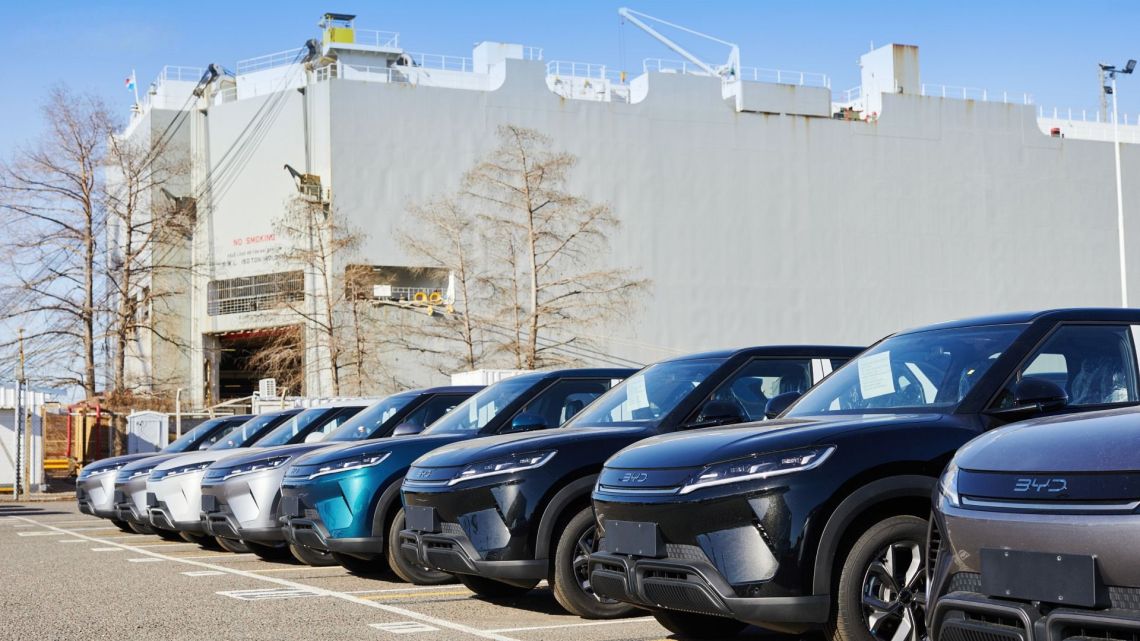
So mechanics are kinda a thing of the past. Most anything that will go wrong would require hooking up to BYD dealership computers, as all the (non-moving) parts are basically a computer.
Plus, since the chinese evs cost about 2/3 of the cost of their IC competitors, Argentines are already saving the costs of a lot of mechanic visits.
Uruguay, which is a couple years ahead of Argentina, in terms of ev adoption, has charging stations everywhere. In Montevideo, the city has installed a ton of them, as its much more desirable to use Urugayan generated electricity than to import expensive gas.
We were in Uruguay earlier this year, and in the metropolitan area, electric trucks, up to the 5 ton 30' flatbed size, are everywhere- the ideal city delivery vehicle, as they go home to their charger every night.
and I am seeing more and more of them in BA these days as well. They cost the same, or often, less than diesel trucks, and then, upkeep and fuel are a tiny fraction of the normal costs. We will be seeing a LOT more delivery vehicles go electric, at least two chinese companies are now assembling them in Argentina from chinese components now, and unlike cars, where there is a lot of fashion involved, a 3 ton cabover flatbed is going to be bought unemotionally and entirely on the numbers, and the numbers are very weighted towards the EVS.


 www.batimes.com.ar


