Argentina's auto parts industry feels the pain from shock therapy

Alternative take: 45 Million Argentines no longer held hostage by the "jobs" of a few hundred workers and no longer have to pay double or even triple the cost for cars that are only half as good as the ones in USA or even neighboring countries like Chile.
 
"...the biggest issue is that sectors hurt by Milei's economic model generate more jobs and tax revenue than others, potentially undermining a fiscal surplus prized by the government."

This is a very interesting statement and a subtle detail. Receiving dollars from (tax reduced) Agro sales or (tax incentivized) RIGI mining projects may satisfy the BCRA's foreign reserve shortage but it doesn't solve Milei's falling tax revenues.

Perhaps this explains why the Public Works projects are set to begin anew....
 
no longer have to pay double or even triple the cost for cars that are only half as good as the ones in USA or even neighboring countries like Chile.
Double or triple the cost sounds like a great exaggeration. It is difficult to compare the range of brands and models, and all other countries. I should have compared to US not Australia. Finally, I guided ai to build this simplified comparison:

Based on the data in this table, the average price difference is about 18.7% more expensive than in Australia when using official exchange rates.

Code:
+------------------+-----------------+-----------------+------------+--------------------------------+

| Brand & Model    | Australia (USD) | Argentina (USD) | Diff (%)   | Price Notes                    |
+------------------+-----------------+-----------------+------------+--------------------------------+
| Toyota Hilux     | $47,510         | $55,070         | +15.9%     | Built in AR; high AU competition|
| Ford Ranger      | $49,750         | $51,800         | +4.1%      | XLT (AU) vs XLS (AR); Both Local|
| VW Amarok        | $50,210         | $52,850         | +5.3%      | Locally made in AR (Pacheco)   |
| Nissan Frontier  | $42,800         | $44,100         | +3.0%      | Known as Navara in AU          |
| Honda Civic      | $35,930         | $48,500         | +35.0%     | High AR import & luxury taxes  |
| Honda Accord     | $46,730         | $61,200         | +31.0%     | Heavy tax on imported sedans   |
| Toyota Yaris     | $23,470         | $28,900         | +23.1%     | Base hatch specs for both      |
| Kia Picanto      | $15,200         | $19,800         | +30.3%     | Entry-level city car benchmark |
| Fiat 500         | $22,060         | $28,400         | +28.7%     | Niche lifestyle model          |
| Ford Territory   | $37,400         | $41,700         | +11.5%     | Popular mid-range SUV          |
+------------------+-----------------+-----------------+------------+--------------------------------+

| AVERAGE          | $37,106         | $43,376         | +18.7%     | Prices include GST (AU) / IVA (AR)|

+------------------+-----------------+-----------------+------------+--------------------------------+

Here are the key takeaways from the final data comparison:
  • Manufacturing Power: The pickups (Hilux, Amarok, Frontier) show the smallest price gaps (3%–16%) because they are manufactured in Argentina, which allows them to avoid the heavy 35% "extra-zone" import tariff.
  • Largest Gaps: Imported sedans like the Honda Civic and Accord are the most expensive (+31%–35%) due to Argentina’s "luxury tax" (Impuesto al Lujo) and higher import duties on non-regional vehicles.
  • Tax Baseline: A significant portion of the price difference is due to the baseline sales tax; Argentina’s 21% IVA is more than double Australia’s 10% GST.
  • Official vs. Real Cost: While these figures use the official exchange rate, the "real" cost to an Argentine buyer with US dollar savings is often lower when trading at informal market rates.
 
Last edited:
Double or triple the cost sounds like a great exaggeration. It is difficult to compare the range of brands and models, and all other countries. I should have compared to US not Australia. Finally, I guided ai to build this simplified comparison:

Based on the data in this table, the average price difference is about 18.7% more expensive than in Australia when using official exchange rates.

Code:
+------------------+-----------------+-----------------+------------+--------------------------------+

| Brand & Model    | Australia (USD) | Argentina (USD) | Diff (%)   | Price Notes                    |
+------------------+-----------------+-----------------+------------+--------------------------------+

| Toyota Hilux     | $47,510         | $55,070         | +15.9%     | Built in AR; high AU competition|
| Ford Ranger      | $49,750         | $51,800         | +4.1%      | XLT (AU) vs XLS (AR); Both Local|
| VW Amarok        | $50,210         | $52,850         | +5.3%      | Locally made in AR (Pacheco)   |
| Nissan Frontier  | $42,800         | $44,100         | +3.0%      | Known as Navara in AU          |
| Honda Civic      | $35,930         | $48,500         | +35.0%     | High AR import & luxury taxes  |
| Honda Accord     | $46,730         | $61,200         | +31.0%     | Heavy tax on imported sedans   |
| Toyota Yaris     | $23,470         | $28,900         | +23.1%     | Base hatch specs for both      |
| Kia Picanto      | $15,200         | $19,800         | +30.3%     | Entry-level city car benchmark |
| Fiat 500         | $22,060         | $28,400         | +28.7%     | Niche lifestyle model          |
| Ford Territory   | $37,400         | $41,700         | +11.5%     | Popular mid-range SUV          |
+------------------+-----------------+-----------------+------------+--------------------------------+

| AVERAGE          | $37,106         | $43,376         | +18.7%     | Prices include GST (AU) / IVA (AR)|

+------------------+-----------------+-----------------+------------+--------------------------------+

Here are the key takeaways from the final data comparison:
  • Manufacturing Power: The pickups (Hilux, Amarok, Frontier) show the smallest price gaps (3%–16%) because they are manufactured in Argentina, which allows them to avoid the heavy 35% "extra-zone" import tariff.
  • Largest Gaps: Imported sedans like the Honda Civic and Accord are the most expensive (+31%–35%) due to Argentina’s "luxury tax" (Impuesto al Lujo) and higher import duties on non-regional vehicles.
  • Tax Baseline: A significant portion of the price difference is due to the baseline sales tax; Argentina’s 21% IVA is more than double Australia’s 10% GST.
  • Official vs. Real Cost: While these figures use the official exchange rate, the "real" cost to an Argentine buyer with US dollar savings is often lower when trading at informal market rates.
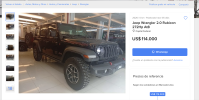
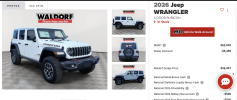
I mean look it up yourself on Mercadolibre. Any half decent car is multiples more expensive than the same in the US, or even in Chile.

1778162391935.png

1778162525267.png
The same car in Argentina is far more expensive than in the US (114K vs 56K)

There's a reason you hardly see any luxury vehicles (BMWs, Mercedes etc) in Argentina and it's not because there's no wealth in this country.
 
I think this depends greatly on the make/model and whether the vehicle was commercially imported in bulk by the manufacturer for country-wide market distribution or if it was just a one-off brought over by a private dealer for "exotic" cars which had to pay an 80% import tax at the docks. These are not apple to apple comparisons because some vehicles simply aren't approved for market down here, though they can be technically imported by a private buyer.
 
Regardless, the idea that the Estado feels the need to "limit" competition between a Ford vehicle manufactured in Michigan at averages factory wages of $20-26 an hour with a Fiat made in Argentina at average wages of maybe $10 an hour (2.4M monthly) shouldn't be a concern. The clear economical advantage should be obvious to buyers when deciding between the two models, unless of course the domestic manufactured cars are so bloated with domestic taxes that they somehow cost the same, which is exactly what some buyers are complaining about.
 
I mean look it up yourself on Mercadolibre.
Your comparison is not honest. Yes, I guess for a special used vehicle, MercadoLibre is a good suggestion, just like the car fanatics do on eBay in US. I did spend a few months researching models to buy. Quickly learned that ML is not the way. For a new car just WhatsApp the dealer from some official manufacturer dealer, they respond with the prices, then you go and test drive, talk a bit, go home think about it a bit, and then go back and transfer your money to buy. Pick it up 2-3 weeks later. I paid 60k ars for an argentina manufactured worldwide brand. The price I paid was very close to the same USD price in USA, which would have had state sales tax and destination charges added.

All new cars have the process published every month. These prices are Republished in newspapers for certain segments or whatever the editors will find interesting. Those prices are exactly what you will pay that month when you decide to buy from the dealer.
 
Last edited:
Double or triple the cost sounds like a great exaggeration. It is difficult to compare the range of brands and models, and all other countries. I should have compared to US not Australia. Finally, I guided ai to build this simplified comparison:

Based on the data in this table, the average price difference is about 18.7% more expensive than in Australia when using official exchange rates.

Code:
+------------------+-----------------+-----------------+------------+--------------------------------+

| Brand & Model    | Australia (USD) | Argentina (USD) | Diff (%)   | Price Notes                    |
+------------------+-----------------+-----------------+------------+--------------------------------+

| Toyota Hilux     | $47,510         | $55,070         | +15.9%     | Built in AR; high AU competition|
| Ford Ranger      | $49,750         | $51,800         | +4.1%      | XLT (AU) vs XLS (AR); Both Local|
| VW Amarok        | $50,210         | $52,850         | +5.3%      | Locally made in AR (Pacheco)   |
| Nissan Frontier  | $42,800         | $44,100         | +3.0%      | Known as Navara in AU          |
| Honda Civic      | $35,930         | $48,500         | +35.0%     | High AR import & luxury taxes  |
| Honda Accord     | $46,730         | $61,200         | +31.0%     | Heavy tax on imported sedans   |
| Toyota Yaris     | $23,470         | $28,900         | +23.1%     | Base hatch specs for both      |
| Kia Picanto      | $15,200         | $19,800         | +30.3%     | Entry-level city car benchmark |
| Fiat 500         | $22,060         | $28,400         | +28.7%     | Niche lifestyle model          |
| Ford Territory   | $37,400         | $41,700         | +11.5%     | Popular mid-range SUV          |
+------------------+-----------------+-----------------+------------+--------------------------------+

| AVERAGE          | $37,106         | $43,376         | +18.7%     | Prices include GST (AU) / IVA (AR)|

+------------------+-----------------+-----------------+------------+--------------------------------+

Here are the key takeaways from the final data comparison:
  • Manufacturing Power: The pickups (Hilux, Amarok, Frontier) show the smallest price gaps (3%–16%) because they are manufactured in Argentina, which allows them to avoid the heavy 35% "extra-zone" import tariff.
  • Largest Gaps: Imported sedans like the Honda Civic and Accord are the most expensive (+31%–35%) due to Argentina’s "luxury tax" (Impuesto al Lujo) and higher import duties on non-regional vehicles.
  • Tax Baseline: A significant portion of the price difference is due to the baseline sales tax; Argentina’s 21% IVA is more than double Australia’s 10% GST.
  • Official vs. Real Cost: While these figures use the official exchange rate, the "real" cost to an Argentine buyer with US dollar savings is often lower when trading at informal market rates.

Another aspect that would be interesting would be to know if these are equal configurations and builds. ie, same number of airbags, auto ignition shutdown/startup at red lights etc. Those features that are included in other countries might not be required/included in Argentina, which would make the price gap even larger when considering what is actually received.
 
Your comparison is not honest. Yes, I guess for a special used vehicle, MercadoLibre is a good suggestion, just like the car fanatics do on eBay in US. I did spend a few months researching models to buy. Quickly learned that ML is not the way. For a new car just WhatsApp the dealer from some official manufacturer dealer, they respond with the prices, then you go and test drive, talk a bit, go home think about it a bit, and then go back and transfer your money to buy. Pick it up 2-3 weeks later. I paid 60k ars for an argentina manufactured worldwide brand. The price I paid was very close to the same USD price in USA, which would have had state sales tax and destination charges added.

carride, I agree with you.

1) The other thing is the US price also doesn't include all the taxes, delivery, registration, dealer charges etc. So you need to add those on as well.
2) I also found when buying a motorcycle the costs ending up being fairly similar once all the charges were included.
 
Back
Top