Chorizo opinions

Point 3 in my previous post should be:

As for sugar, I sincerly believe it is worth the 18 minutos for anyone who is still consuming sugar in any form, including anything made with wheat or wheat flour (bread, cookies, pastries, cake, etc.) rice, pasta, corn, cereal (as well as the vast majority of prepackaged, ultra-processed "foods") to watch (or at least listen to this:

 
Everyone should choose the diet that works for them.
Everyone is different.
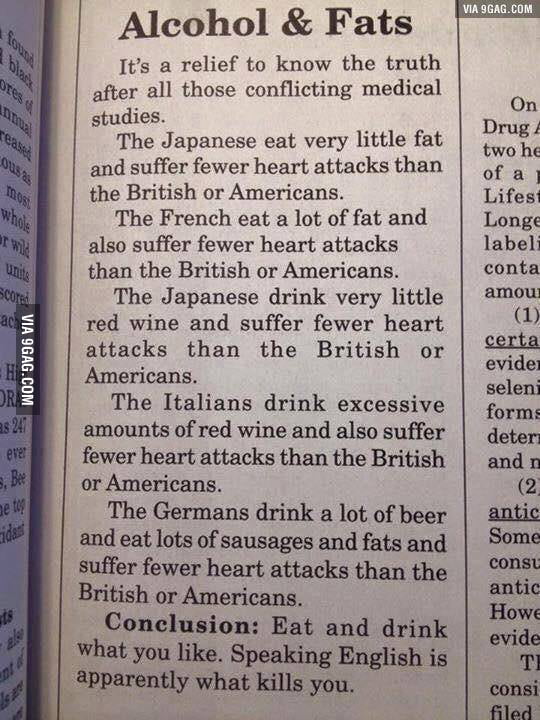
My grandmother lived to 101 smoking cigarettes and eating ballpark franks and tv dinners.
I have known vegan atheletes who died of cancer under 50.
You play the cards you are dealt.
Nobody lives forever.
I can tell, based on 70 years in this body, which things I can eat, and which things I can not.
I dont need a Youtube video for that.
 
1. Soy protien isolates are not a milk product;

According to Google AI:

"...soy protein isolates and powdered milk are not the same. Soy protein isolate is a highly processed, plant-based protein (over 90% protein) derived from soybeans, lactose-free, and cholesterol-free. Powdered milk is dried dairy milk, containing lactose, lower protein levels (roughly 26–34%), fat, and cholesterol.

Key Differences:
Source: Soy protein isolate comes from soy; powdered milk comes from cows.
Protein Content: Soy protein isolate is
protein, while powdered milk is typically
protein.

Components: Soy isolate has fat/fiber removed, while milk powder contains lactose and milk fat.

Use Cases: Soy isolate is used in vegan products, protein shakes, and meat substitutes for high protein, whereas milk powder is used for reconstituting milk, baking, or added fat/sugar content.
Dietary Needs: Soy isolate is vegan/dairy-free; milk powder is not.

While both are powders used for added protein, their nutritional profiles and origins differ significantly."

2. Nitrites used as a preservative in cured meats are not the same as nitrites found in celery, and thoroughly cooking sausage using high heat appears to poses significant health risks.

According to Google AI:

"Nitrites, commonly used to preserve and color sausages and cured meats, can be bad for you when they turn into cancer-causing compounds known as nitrosamines. While essential for preventing bacterial growth (like botulism), they are linked to higher risks of colorectal cancer, stomach cancer, and heart disease due to high-heat cooking.

Cancer Risk (Nitrosamines): When sausages are cooked at high temperatures (grilling/frying), nitrites react with amino acids to form nitrosamines, which can damage DNA.

Health Concerns: High consumption of processed meat containing nitrites is consistently linked to colorectal cancer. They are also associated with metabolic disorders and type 2 diabetes.

Regulation: While regulated to safe levels in many countries, it is advisable to limit intake of sausages, bacon, and other cured meats.

Better Options: Look for "nitrite-free" products, which are increasingly available, or check for products that use celery juice or natural alternatives to sodium nitrite.

Vegetables vs. Meat: Nitrates/nitrites in vegetables (like spinach or beetroot) are not considered harmful, as they provide beneficial nutrients that prevent the formation of cancer-causing compounds, unlike when they are added to meat.

To minimize risks, reduce your intake of highly processed, cured sausages and opt for fresh, unprocessed meats."

3. As for sugar, I sincerly believe it is worth the 18 minutos for anyone who is still consuming sugar in any form, including anything made with wheat or wheat flour (bread, cookies, pastries, cake, etc.) rice, pasta, corn, cereal (including s well as the vast majority to watch (or at least listen) to this:

1) I didn't say that soy protein isolates are dairy, I said they are serving the purpose that milk powder is used for which is to act as a binder in sausages contributing to the texture you may be more familiar with from the US or other places.
1771257881629.png

2) Nitrite is a chemical compound. It doesn't matter if it is naturally or industrially produced. This goes for anything. Water is H2O. Whether you burn hydrogen or get a molecule of water from a tap it is still H2O. The amount added when using "natural sources" like apple seeds etc will typically have a higher concentrations than required in order to guarantee it will work effectively.
Nitrites are consumed with time and their concentration decreases, however time is the enemy of industrial processes. For example, homemade bacon is left to cure for 5-7 days, however, industrially produced bacon is injected and cured in 24 hours or less. Therefore, to ensure no excess of nitrites are present when frying bacon, commercially produced bacon has sodium erythorbate added to it. That is a cure accelerator and oxidant which will also scavenge and convert remaining nitrite to nitric oxide.

Although nitrites can form nitrosamines at various temperatures, the risk as I understand it is as higher temperatures, 150-200c or 300+ fahrenheit. Sausages wouldn't reach these temperatures on a grill.

Also, in lieu of sodium arythorbate, asorbic acid (vitamin C) can also be used when making sausages but might have a slight taste impact where as sodium erythorbate is flavourless. I also think if you drink orange juice while eating the bacon or sausage, then what is present in the juice will oxidize the remaining nitrites in your stomach if not added in the mixture.

If you are eating fresh sausage then nitrites are not needed. Some like it for conservation, taste, colour. If the meat will be in the danger zone for more than 2 or 4 hours then it is important to have nitrites. This is why smoked sausages will have them for the time of grinding, mixing stuffing, curing and in the smoker in the danger range could exceed the allowed time.

3) Yes I am aware of sugar. Even people on keto can have 20-30 grams a day, and in some mixes for 1 kg of meat you adding less than that so a single sausage wouldn't even break keto. If you don't like it, then you can use a sweetener or not at all, but some like it for the sake of taste or balancing flavours and acidity.
 
Everyone should choose the diet that works for them.
Everyone is different.
My grandmother lived to 101 smoking cigarettes and eating ballpark franks and tv dinners.
I have known vegan atheletes who died of cancer under 50.
You play the cards you are dealt.
Nobody lives forever.
I can tell, based on 70 years in this body, which things I can eat, and which things I can not.
I dont need a Youtube video for that.
Exactly...nobody knows how your liver, kidneys, heart, gut, spleen or gallblader is doing to determine your ideal diet.

To a diabetic all food is sugar. The only universal answer is blood-work and a dietitian.
 
To a diabetic all food is sugar. The only universal answer is blood-work and a dietitian.
I think that's maybe going a bit far 🙂 I also doubt the value of a dietician, get a CGM (when I have money, I get the Abbott Libre monitors, e.g. on ML, they interface with the LibreLink app on your phone), and figure out yourself what affects your sugar levels.

You will see that red wine 🍷 is wonderful stuff.
 
Back
Top